This SEO guide for UK businesses explains the basics of search engine optimisation in simple terms.
If you run a small business, you do not need to understand every technical part of SEO to get started. What matters is understanding how people search, what Google looks for and how your website can become more useful to potential customers.
SEO can help businesses improve their visibility in Google, attract relevant visitors and create more opportunities for enquiries and sales.
If you are just starting out or already have a website that has been online for years, this guide will help you understand the main parts of SEO and where to focus your efforts.
What Is SEO?
SEO stands for Search Engine Optimisation.
It is the process of improving your website and online presence so that search engines can better understand your business and show your pages to people searching for relevant information, products or services.
For example, a customer might search for:
- accountant in Bedford
- web designer in Luton
- driveway company Milton Keynes
- cleaning services near me
- how much does SEO cost for a small business
SEO helps your website become more relevant to the searches that matter to your business.
It is different from paid advertising. With advertising, you pay to appear in selected placements. With organic SEO, you work on your website and online presence to improve your ability to appear naturally in search results.
If you are new to SEO, think of it as making your website easier for Google to understand and customers to use.
SEO Guide for UK Businesses: Where to Start
If you are new to search engine optimisation, this SEO guide for UK businesses gives you a practical starting point. You do not need to understand every technical detail to begin improving your website. Focus first on understanding your customers, the searches they make and the pages they need to find
How Google Finds Your Business
Google uses automated systems to discover, crawl and understand web pages.
Your website needs to be accessible to search engines before its pages can appear in organic search results.
Google explains that websites should meet its technical requirements and follow its spam policies. Google’s Search Essentials provides guidance on the basics that website owners should understand.
There are three simple concepts to know:
Crawling: Google discovers and accesses pages.
Indexing: Google processes and stores information about pages it can access.
Ranking: When someone searches, Google’s systems determine which results are most relevant to that search.
You cannot simply tell Google to rank your website for a particular keyword. Your pages need to provide useful information and follow good technical and content practices.
Keyword Research
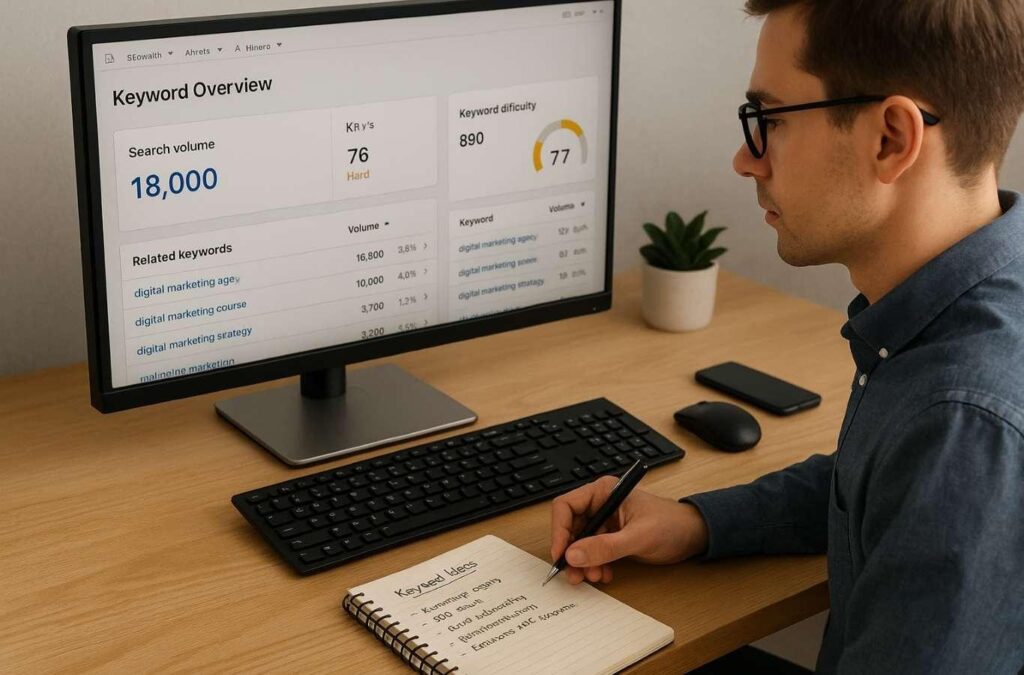
Keyword research is about finding the words and phrases your potential customers use when searching.
For a UK business, this could include:
- Your main service
- Your service plus a location
- Questions customers ask
- Problems your service solves
- Product names
- Commercial searches
- Longer, more specific searches
For example, a business providing accountancy services might research terms such as:
- accountant Bedford
- small business accountant Bedford
- self assessment accountant
- limited company accountant
- how much does an accountant cost
The goal is not to find the biggest keyword possible.
The goal is to identify searches that are relevant to your business and have a realistic connection to what you offer.
Focus on search intent
Search intent is the reason behind a search.
Someone searching for “what is local SEO” is probably looking for information.
Someone searching for “local SEO agency Luton” is much closer to making a commercial decision.
Understanding this difference helps you create the right page for the right search.
Technical SEO
Technical SEO covers the parts of your website that help search engines access, crawl and understand your pages.
It can include:
- Website structure
- Indexing
- Crawlability
- Page speed
- Mobile usability
- Broken links
- Redirects
- XML sitemaps
- Canonical URLs
- HTTPS
- Search Console issues
You do not need to become a developer to understand technical SEO.
The important thing is to make sure the foundations of your website are working properly.
For example, a page that you want Google to find should not accidentally be blocked from being crawled or indexed.
Technical SEO should support the rest of your SEO strategy rather than becoming an end in itself.
On-Page SEO
On-page SEO focuses on the content and elements on individual pages.
This can include:
- Page titles
- H1 headings
- H2 and H3 headings
- Meta descriptions
- Page copy
- Keywords
- Internal links
- Images and alt text
- URLs
- Calls to action
A good page should make its purpose clear quickly.
If you have a page about cleaning services in Luton, for example, the page should clearly explain the service, who it is for, where it is available and how someone can contact the business.
Avoid forcing keywords into every sentence.
Write naturally and make the page genuinely useful to the person reading it.
Local SEO
Local SEO is particularly important for businesses that serve a specific area.
This includes businesses such as:
- Plumbers
- Solicitors
- Accountants
- Restaurants
- Builders
- Removal companies
- Recruitment agencies
- Cleaning companies
- Tradespeople
- Professional services
Someone searching for a local business may include a town, city or area in their search.
They may also search using phrases such as “near me”.
Your website can support local SEO by clearly explaining:
- What your business does
- Where you provide your services
- Which areas you serve
- What makes your business relevant to those customers
Location pages can also be useful when they contain genuinely useful, location-specific information.
For businesses looking to improve their local visibility, our SEO services in Luton page explains how we approach local SEO and wider search optimisation.
Google Business Profile
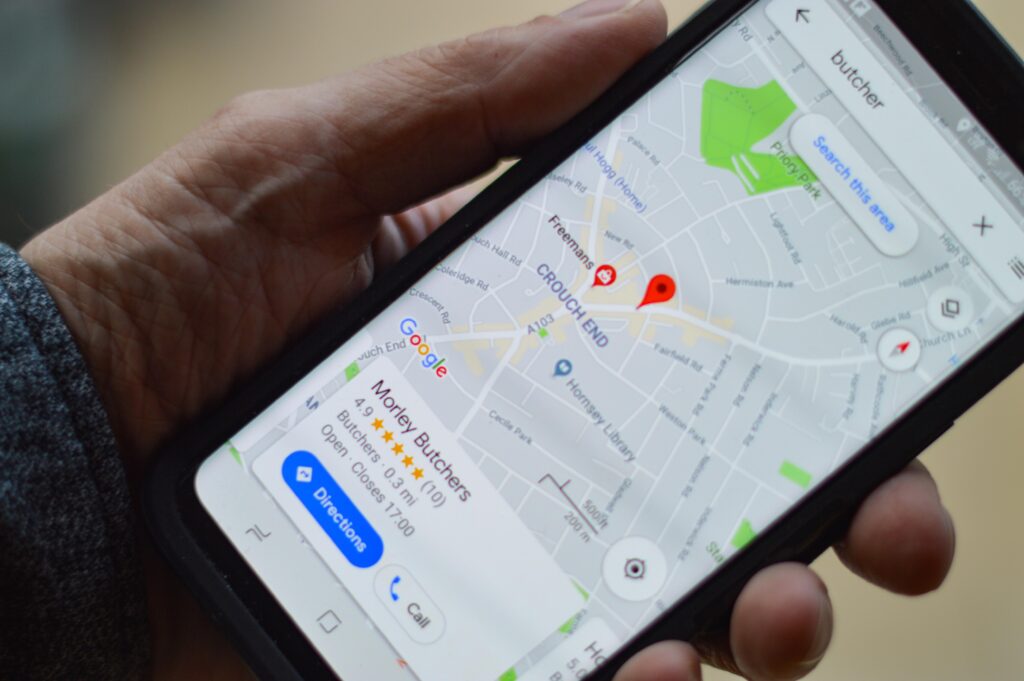
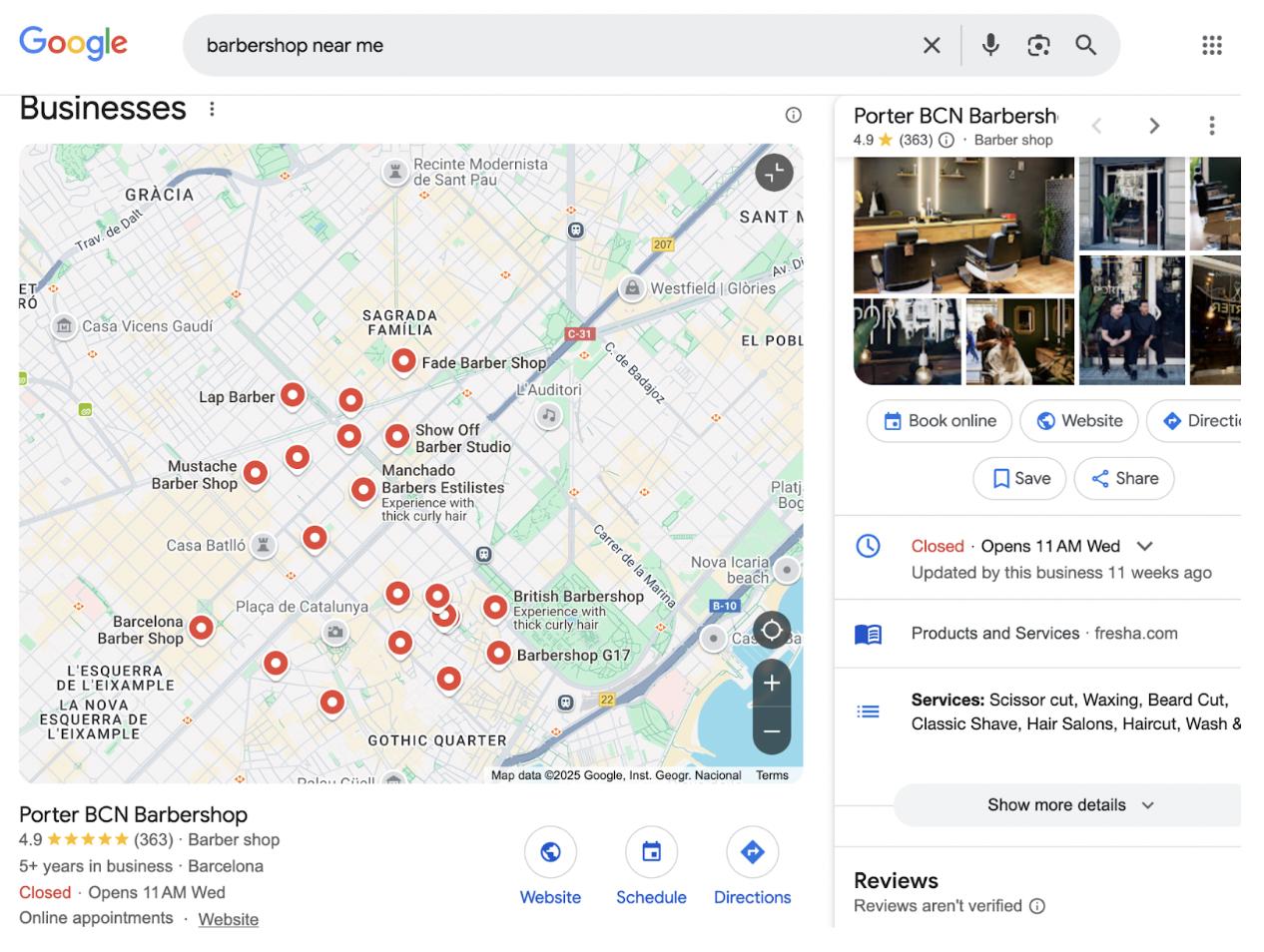
For eligible local businesses, a Google Business Profile can be an important part of local SEO.
Google says a Business Profile allows eligible businesses to manage how they appear on Google Search and Maps. Businesses can provide information such as opening hours, website details, location, photos and other business information.
Your profile should contain accurate and consistent information.
Pay attention to:
- Business name
- Category
- Address or service area
- Phone number
- Website
- Opening hours
- Services
- Photos
- Reviews
Do not treat your Business Profile as something you create once and forget.
Keep important information up to date and respond appropriately to customer reviews.
Google also explains that local search results are influenced by factors including relevance, distance and prominence.
Content
Content is one of the main ways your website can demonstrate what your business does and answer questions from potential customers.
Good content does not have to mean publishing a new 2,000-word article every week.
Instead, think about what your customers actually need.
Useful content could include:
- Service pages
- Location pages
- FAQs
- Guides
- How-to articles
- Buying guides
- Comparisons
- Case studies
- Industry information
For example, a roofing company could publish an article explaining how to spot common roof problems.
A removals company could explain what customers should do before moving house.
A web design company could explain what a small business website should include.
The best topics are closely connected to your customers, services and expertise.
Links & Authority
Links can help search engines discover pages and understand relationships between websites.
There are two main types to understand.
Internal links
Internal links connect pages on your own website.
For example, a blog post about local SEO could link to your local SEO service page.
Good internal linking can help visitors find related information and can help search engines understand the structure of your website.
External links
External links point from your website to another website.
Linking to useful, trustworthy sources can help provide additional context for your readers.
Do not add links simply because you think you need a certain number of links on every page.
Focus on relevance and usefulness.
Backlinks
Backlinks are links from other websites to your website.
They can be useful for discovery and can contribute to your site’s authority, but quality matters.
A handful of relevant links from trustworthy websites can be more useful than building large numbers of irrelevant links.
Avoid buying poor-quality links or using link schemes designed purely to manipulate search rankings.
Measuring SEO
SEO needs to be measured so you can understand what is happening.
Useful metrics can include:
- Organic clicks
- Search impressions
- Keyword visibility
- Organic traffic
- Pages receiving search traffic
- Enquiries and leads
- Conversions
- Local visibility
- Google Business Profile activity
Google Search Console can help website owners understand how their website performs in Google Search and whether Google can index their pages. Google’s official Search Console Help provides guidance for using the platform.
Analytics can also help you understand what visitors do after reaching your website.
Do not focus only on rankings. A keyword moving from position 20 to position 10 can be useful, but what matters to the business is whether the improved visibility leads to relevant visitors and enquiries.
For anyone following this SEO guide for UK businesses, measuring the right metrics is important because SEO should ultimately support real business goals, not just rankings.
Common SEO Mistakes
Many small businesses make avoidable SEO mistakes. One of the most important lessons in this SEO guide for UK businesses is to focus on useful, relevant SEO rather than shortcuts designed only to manipulate rankings.
Targeting the wrong keywords
A keyword might have a large search volume but be completely irrelevant to your business.
Focus on searches that match what you actually provide.
Keyword stuffing
Repeating a keyword excessively can make content difficult to read.
Use your main keyword naturally and focus on answering the searcher’s question.
Creating thin location pages
Creating dozens of pages with almost identical content and changing only the town name can create a poor user experience.
Location pages should provide genuinely useful information about the area and service.
Ignoring technical problems
Broken links, indexing issues, poor mobile usability and other technical problems can make it harder for search engines and users to access your website.
Forgetting internal links
Important pages should not be isolated.
Use relevant internal links to connect related services, guides and information.
Expecting instant results
SEO normally takes time.
The speed of progress depends on factors such as competition, the current condition of your website, the quality of your content and the amount of work being carried out.
When to Hire an SEO Agency
You can learn a lot about SEO yourself, especially when you are starting out.
However, there may come a point when professional support makes sense.
An SEO agency can be useful if:
- You do not have time to manage SEO
- Your website has technical problems
- You are unsure which keywords to target
- Your competitors are gaining visibility
- You need a clear SEO strategy
- You want ongoing reporting
- You are launching a new website
- You want to expand into new locations
The right approach depends on your business, budget and goals.
If you are considering ongoing SEO support, it is useful to understand what different services can cost. Our guide explains how much SEO costs for small businesses in the UK.
FAQs
What is SEO for small businesses?
SEO for small businesses is the process of improving a website and online presence so potential customers can find the business through relevant searches.
It can include keyword research, technical SEO, content, local SEO, on-page optimisation and link building.
How long does SEO take?
There is no fixed timeframe for SEO. This SEO guide for UK businesses explains why SEO progress can vary depending on the website, industry and level of competition.
Some technical or on-page improvements can produce changes relatively quickly, while building stronger organic visibility can take considerably longer.
Competition, website history, content quality and the amount of SEO work all affect progress.
Is SEO worth it for a small business?
SEO can be useful when your potential customers use search engines to find products, services or information related to your business. As this SEO guide for UK businesses explains, the potential value of SEO depends on whether search visibility can connect your business with the right audience.
The value depends on your industry, competition, target audience and ability to turn relevant traffic into enquiries or sales.
What is local SEO?
Local SEO focuses on improving visibility for searches connected to a specific location.
It can be particularly useful for businesses that serve customers in a particular town, city, region or service area. This SEO guide for UK businesses highlights local SEO as an important part of a wider strategy for businesses that depend on customers finding them in specific areas.
Your website can support local visibility by clearly explaining what your business offers, where you operate and which customers you serve.
Do I need a Google Business Profile?
If your business is eligible and interacts with customers in person, a Google Business Profile can help you manage how your business appears on Google Search and Maps. As explained in this SEO guide for UK businesses, having accurate business information can be particularly useful for local search visibility.
Google states that online-only businesses that do not have in-person customer contact are not eligible for a Business Profile.
How much does SEO cost in the UK?
SEO costs vary depending on the type of business, website size, competition, services required and whether you need a one-off project or ongoing support.
This SEO guide for UK businesses also highlights why there is no single price that applies to every business. Our SEO cost guide explains the main factors that affect pricing.
Can I do SEO myself?
Yes. Many basic SEO tasks can be handled by a business owner. This SEO guide for UK businesses can help you understand the fundamentals and identify some of the areas you can manage yourself.
However, technical SEO, competitive research, content strategy and larger SEO campaigns can become more time-consuming as your website grows.
What should I look for in an SEO agency?
Look for clear communication, realistic expectations, transparent reporting and a strategy that is connected to your business goals. A good SEO guide for UK businesses should help you understand what to look for when choosing an SEO partner, including how they communicate their strategy and measure progress.
Be cautious of anyone promising guaranteed number-one rankings or instant results.
Start Your SEO Strategy
SEO can seem complicated when you first encounter it, but the fundamentals are straightforward.
Understand what your customers search for. Make your website useful and easy to navigate. Make sure search engines can access your important pages. Build relevant content and keep improving based on what the data tells you.
If you would rather have an experienced team handle the technical work and strategy, Ivy Hive can help.
Our team can help you turn the principles covered in this SEO guide for UK businesses into practical improvements for your website.
Explore our SEO services or request an SEO audit to find out where your website currently stands and what could be improved.