
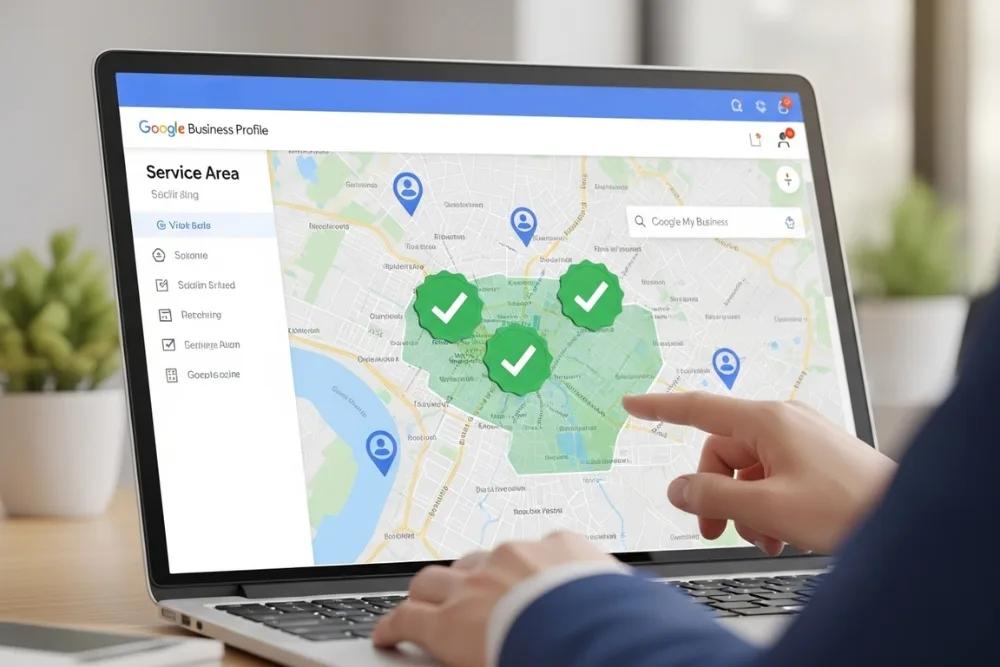
When someone searches Google for a service in Luton, they don’t always scroll through pages of websites.
They often look at the map results first.
If your business isn’t appearing prominently, potential customers may never discover you.
This is where Google Maps ranking in Luton becomes important.
A strong presence on Google Maps can help local customers find your business, see your contact details, check your opening hours, read reviews and visit your website.
But ranking higher isn’t simply about adding a few keywords to your business profile.
What Determines Your Google Maps Ranking?
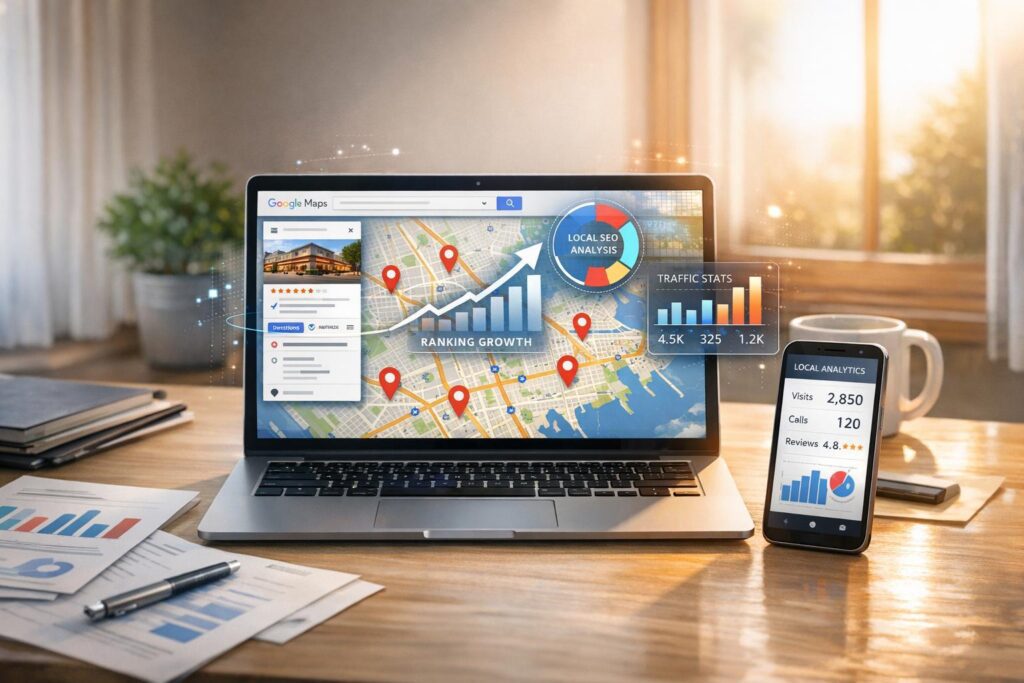
Google says local results are mainly based on relevance, distance and prominence.
That means there isn’t one magic trick that guarantees the top position.
Instead, your business needs to send Google clear and consistent signals about who you are, what you offer and where you operate.
Relevance
Relevance is about how closely your business matches what someone is searching for.
For example, if someone searches for a recruitment agency in Luton, Google needs enough accurate information about your business to understand that your company provides recruitment services.
This is why your business category, services, description and website content all matter.
Distance
Distance is another factor.
Google considers how far your business is from the person searching. This means a business located closer to the searcher may have an advantage for certain local searches.
You cannot control where every potential customer searches from.
But you can make sure your business location and service information are accurate.
Prominence
Prominence relates to how well-known and established a business is.
Google says prominence can be influenced by information across the web, including links and reviews.
This is one reason maintaining a consistent online presence is important for local businesses.
Start With Your Google Business Profile
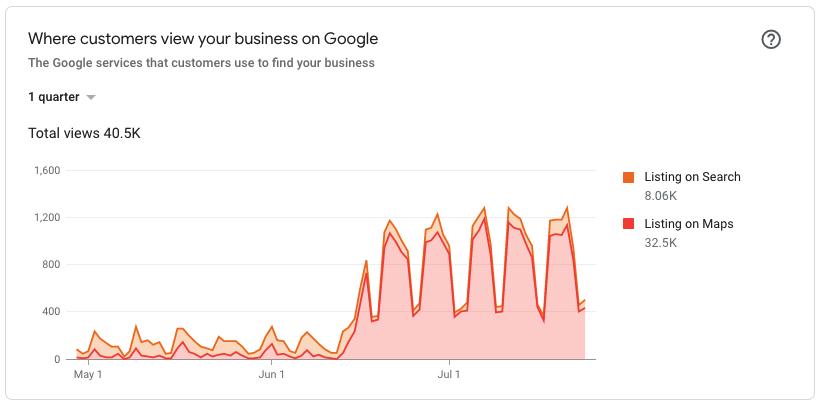
Your Google Business Profile is one of the most important places to start.
Google recommends keeping your business information complete and accurate, including details such as your business information, hours, category and other relevant details.
For a Luton business, check that your profile contains the correct:
- Business name
- Address
- Phone number
- Website
- Opening hours
- Business category
- Services
- Photos
You should also make sure the information matches your website and other important business listings.
Small inconsistencies can create unnecessary confusion for customers and search engines.
Don’t Ignore Your Reviews
Reviews aren’t just useful for convincing customers to contact you.
Google also says that review count and positive ratings can contribute to local ranking.
That doesn’t mean you should chase fake reviews or try to manipulate your ratings.
Instead, encourage genuine customers to leave honest feedback.
And don’t simply collect reviews and forget about them.
Respond to them professionally.
A thoughtful response shows potential customers that you’re paying attention and value their experience.
Build Consistent Local Citations
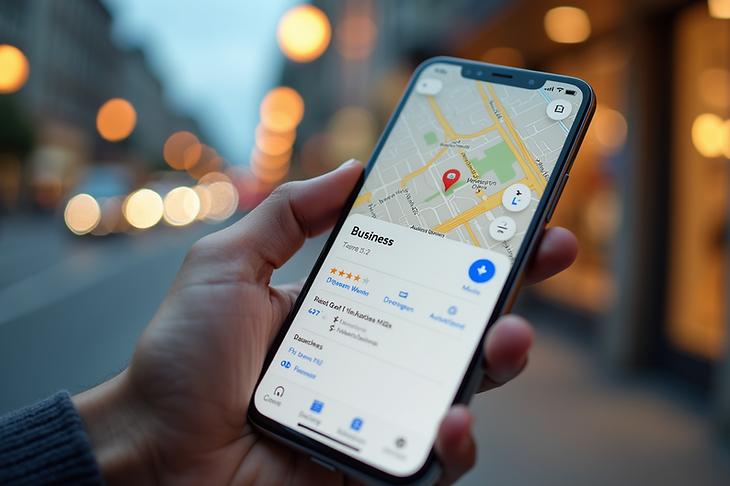
Your business information can appear in many places across the internet.
Directories, industry websites, social platforms and other business listings can all contribute to your online presence.
This is why keeping your name, address and phone number (NAP) consistent is important.
If one directory shows an old phone number while another shows a different address, it can create confusion.
A well-managed local citation strategy helps keep your business information accurate across the web.
For businesses targeting Google Maps ranking in Luton, consistency should be part of the wider local SEO strategy rather than an afterthought.
Make Your Website Support Your Local SEO
Your Google Business Profile shouldn’t exist separately from your website.
Your website should clearly explain:
- What your business does.
- Which services you provide.
- Where you operate.
- How customers can contact you.
Google says it can use publicly available information, including content from a business’s official website, when compiling information for local search and Business Profiles.
That makes your website an important part of your local search presence.
For a Luton business, relevant service and location content can help provide Google and potential customers with more context about the business.
Add Photos and Keep Your Profile Active
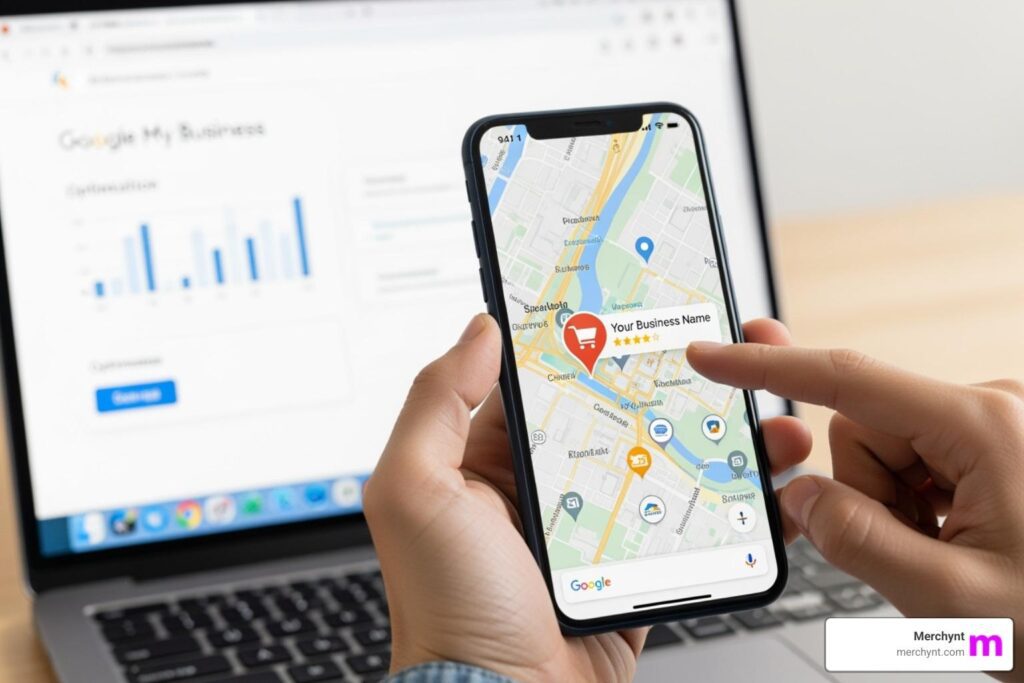
Your Google Business Profile isn’t something you should set up once and forget.
Google recommends adding photos and videos to your Business Profile.
Good images can also make your listing more useful to potential customers.
Depending on your business, you could add:
- Your logo
- Team photos
- Workplace photos
- Service-related images
- Project photos
- Branded images
The goal isn’t to upload random pictures simply to appear active.
Use images that help customers understand your business and what you offer.
Don’t Chase a Guaranteed #1 Position
This is important.
You may see SEO companies promising:
“We’ll get you #1 on Google Maps in 30 days!”
Be careful with promises like this.
Google explicitly says there is no way to request or pay for a better local ranking.
Local search results can also vary depending on the searcher’s location and the specific search they’re making.
Instead of promising a position that nobody can guarantee, a sensible local SEO strategy focuses on improving the factors that can actually be influenced.
That includes your profile, website, reviews, citations and overall online presence.
How Long Does Local SEO Take?
There isn’t a universal timeline.
Some businesses may see improvements relatively quickly after correcting major issues. Others may need more time to build authority and prominence in a competitive local market.
Rather than focusing solely on a 30-day deadline, assess whether your visibility and customer actions are moving in the right direction.
Track things such as:
- Google Search visibility
- Google Maps visibility
- Website visits
- Phone calls
- Direction requests
- Customer enquiries
- Review growth
This gives you a much clearer picture of whether your local SEO work is producing results.
Want Better Google Maps Visibility in Luton?
Improving your local presence isn’t about finding one secret trick.
It’s about getting the fundamentals right and building them consistently.
Your Google Business Profile should be complete. Your business information should be accurate. Your website should support your local services. Your citations should be consistent, and your genuine customer reviews should be managed properly.
At IvyHive, our local SEO approach helps Luton businesses improve their online visibility and build a stronger local search presence.
If you’re not sure how your business currently appears across Google and other local search platforms, a local SEO audit can show you where the opportunities are.
Learn More
Get your free SEO audit and competitor report this week.
FAQs
How can I improve my Google Maps ranking in Luton?
Start by making sure your Google Business Profile is verified, complete and accurate. Keep your business information up to date, manage reviews, add useful photos and make sure your website and other online listings provide consistent information. Google identifies relevance, distance and prominence as the main factors behind local results.
Can someone guarantee a #1 Google Maps ranking?
No legitimate SEO strategy can guarantee a specific Google Maps position. Google states that there is no way to request or pay for a better local ranking.
Does having a Google Business Profile help local SEO?
Yes. Google says a Business Profile can help customers find businesses on Google Search and Maps, and it provides tools for managing business information, photos, reviews and other details.
Do Google reviews affect local ranking?
Google says review count and positive ratings can contribute to local ranking, alongside other information used to determine prominence.
Does my website affect Google Maps visibility?
Your website is part of the wider information Google can use when understanding a business and its local presence. Google says it can use publicly available web content, including information from a business’s official website.